
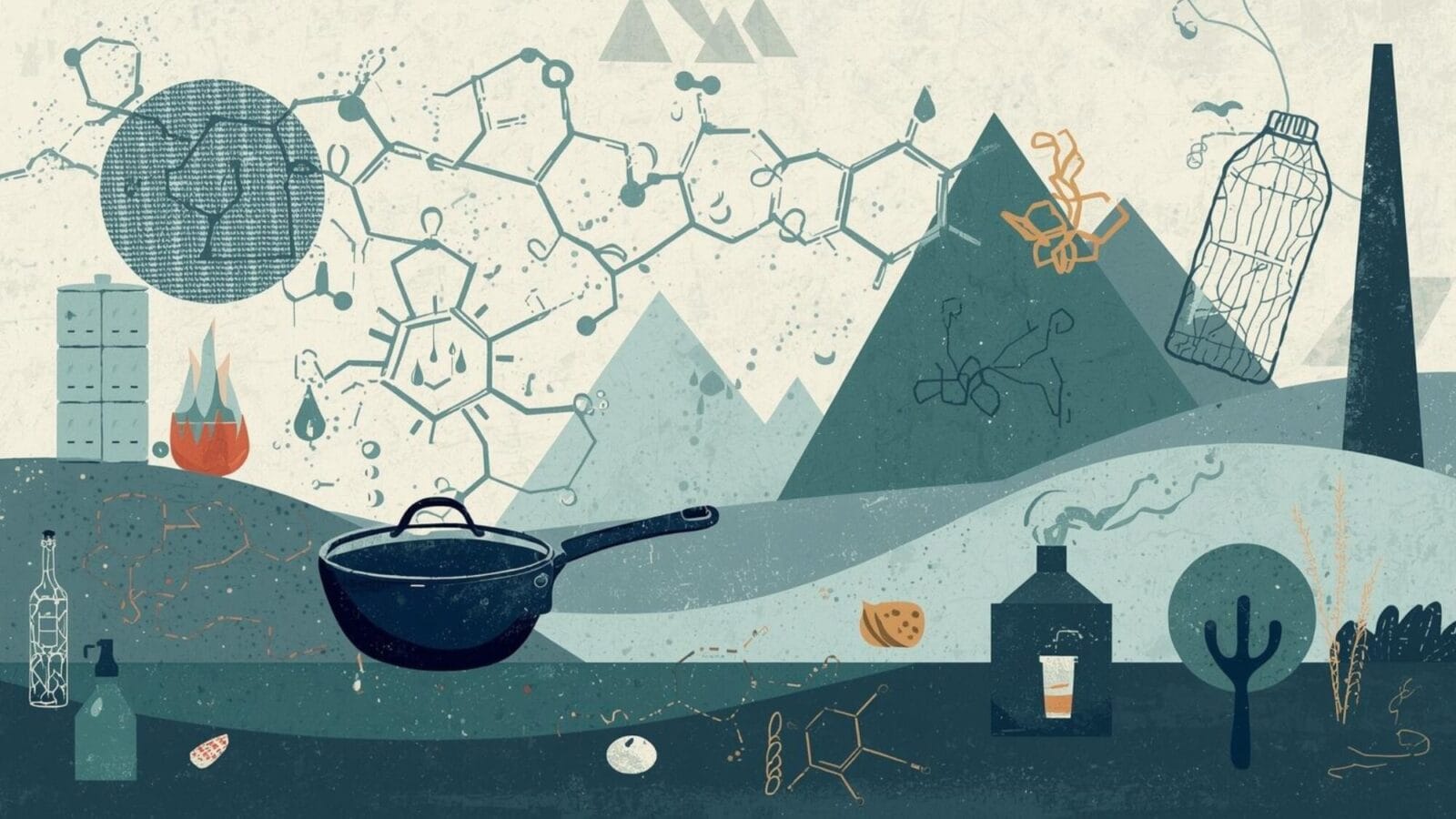
In recent years, lawsuits involving PFAS chemicals, often called “forever chemicals”, have been increasing across the United States. Communities, municipalities, and individuals are taking legal action against chemical manufacturers after discovering contamination in drinking water, soil, and consumer products.
But what exactly are PFAS chemicals, why are they so persistent in the environment, and why are so many lawsuits now emerging?
What Are PFAS Chemicals?
PFAS stands for per- and polyfluoroalkyl substances, a large group of man-made chemicals that have been used since the 1940s in a wide range of industrial and consumer products.
They are commonly found in:
- Nonstick cookware
- Water-resistant clothing
- Stain-resistant fabrics and carpets
- Food packaging
- Firefighting foam used at airports and military bases
PFAS chemicals became widely used because they resist heat, water, grease, and oil.
However, these same properties also make them extremely persistent in the environment and the human body.
Why Are PFAS Called “Forever Chemicals”?
PFAS are often referred to as “forever chemicals” because they do not break down easily in nature.
Instead, they:
- Persist in soil and groundwater
- Accumulate in rivers and drinking water systems
- Build up in human and animal bodies over time
According to environmental research and regulatory agencies, PFAS exposure can occur through contaminated drinking water, food packaging, household products, and industrial pollution.
Because the chemicals degrade very slowly, even small amounts released decades ago may still be present today.
Health Concerns Linked to PFAS Exposure
Scientists and public health researchers have been studying PFAS exposure for years. Some studies have linked high levels of PFAS exposure to potential health risks, including:
- Certain cancers
- Thyroid disease
- Immune system effects
- Increased cholesterol levels
- Developmental effects in children
While research continues, these concerns have played a major role in the surge of lawsuits against chemical manufacturers.
Communities Affected by PFAS Contamination
PFAS contamination has been detected in hundreds of communities across the United States.
Many of the most serious contamination cases involve:
- Municipal drinking water systems
- Areas near military bases where firefighting foam was used
- Industrial manufacturing sites
- Landfills and wastewater facilities
Cities and water utilities have filed lawsuits seeking compensation for the cost of testing, filtration systems, and long-term environmental cleanup.
The Growing Wave of PFAS Litigation
In recent years, a large number of PFAS lawsuits have been filed in federal and state courts. These cases typically claim that manufacturers knew about the environmental and health risks associated with PFAS chemicals but failed to adequately warn the public.
Several major chemical companies have already faced multi-billion-dollar settlement agreements with municipalities and water providers.
Current PFAS litigation includes:
- Municipal water contamination lawsuits
- Personal injury claims related to exposure
- Environmental damage claims
- Product liability lawsuits involving consumer goods
Because PFAS contamination often affects large populations, many cases are handled through mass tort litigation, where multiple individual claims are managed together.
The Legal Landscape Moving Forward
PFAS lawsuits are expected to continue growing as:
- More communities test their drinking water
- Federal and state regulations expand
- Scientific research on health effects continues
Regulatory agencies are also increasing oversight of PFAS chemicals, including establishing stricter drinking water standards and requiring more reporting from manufacturers.
For affected communities, these legal actions may help fund environmental cleanup efforts and provide compensation for damages linked to contamination.
Why PFAS Lawsuits Matter
The rising number of PFAS lawsuits highlights a broader issue: the long-term consequences of industrial chemicals that persist in the environment.
As research and legal proceedings continue, PFAS litigation may shape how chemical manufacturers, regulators, and communities address environmental contamination in the future.